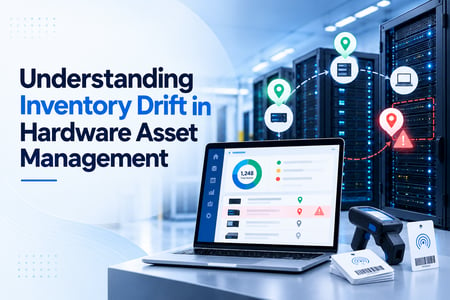
The acronym DCAM stands for Data Center Asset Management. DCAM is the process of inventorying and auditing the assets within your data center.
Below are items to keep in mind when working through your DCAM strategy:
Inventory is the process of creating a baseline set of accurate information of all the assets in your data center. Each piece of equipment is located and the specific details on each asset are recorded. The suggested piece of information to record on each asset are, but not limited to the following: Manufacturer, Model, Device Type, RU Position, and child-devices.
Important features of your data center are often forgotten during your inventory and auditing process. You want to make sure you include your facility assets, which are your floor plans and rack space. You may also want to include your connectivity in an audit, which includes power and network.
Once the initial inventory is completed, it good practice to schedule regular audits of your data center. An audit can either be a spot-check on random racks of equipment or a full detailed audit of your entire data center. If you are keeping up with your moves, adds, changes, and decommissions when they occur in the data center, your audit should not be as time
There are many vendors in the market today that offer DCAM tools for the purpose of inventorying and auditing your data center assets. Complete an analysis on each vendor and determine which one best fills your needs. They have multiple offerings from web-based, visualization, connectivity modules, and mobile devices to make inventorying and auditing easier. When properly implemented in your data center, DCAM tools can help you increase your inventory accuracy and reduce the time and manpower needed for inventory and audit processes.
DCAM is a critical, yet neglected task in the data center. It is easy to get lost in the nuts and bolt of your data center, but remember to set realistic expectations of your DCAM process. It is best you start with your top down inventory (Racks, Cabinets, and other Floor Mounted Devices), and the move onto your Rack Mounted Devices, Device Mounted Assets, and from there begin inventorying your power and network connections. Once that procedure is in place, you are on the way to a more efficient and smoother running Data Center.


 Contact Us